AI Video Generation: Hollywood in Your Pocket
 Faizan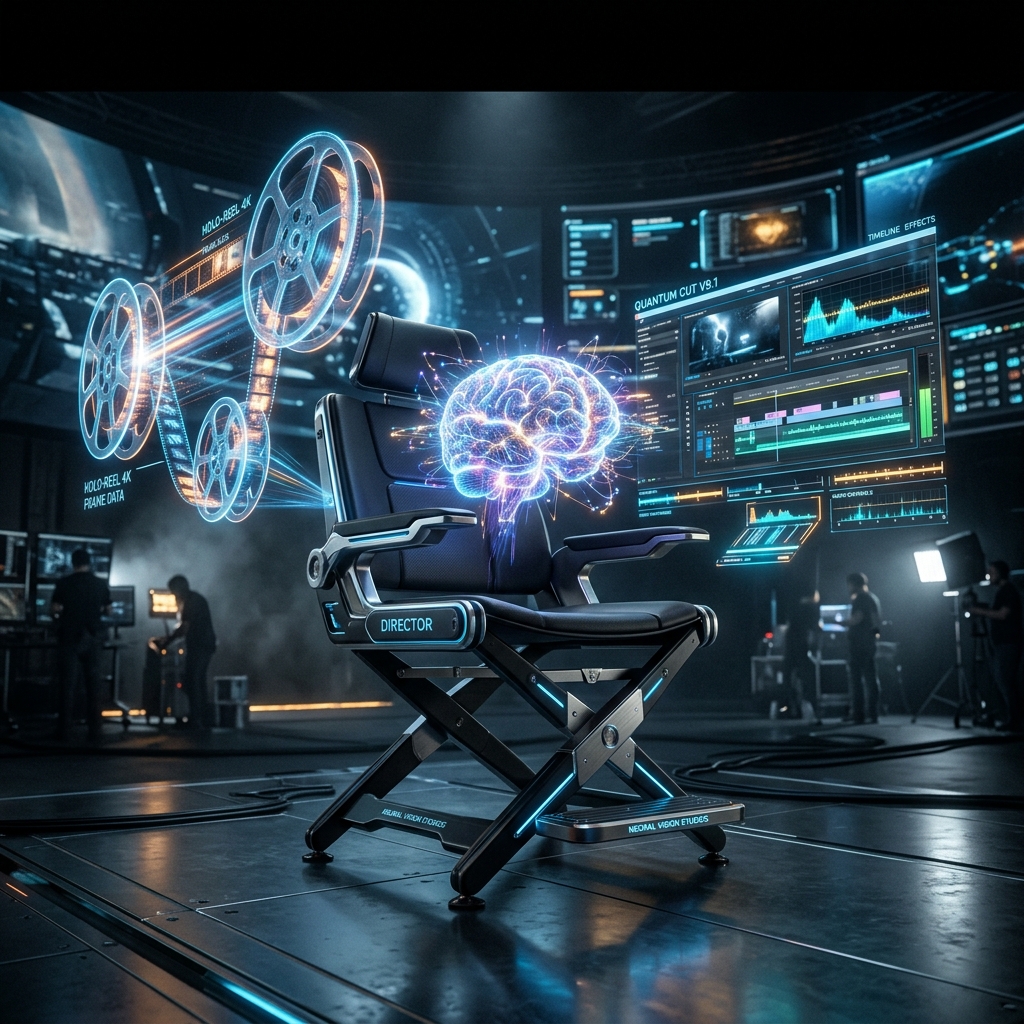
The dream of sitting at a typewriter, hammering out a script, and having a movie instantly generated before your eyes is no longer relegated to the realm of science fiction. Over the past year, AI video generation has taken a quantum leap forward, shattering expectations and fundamentally disrupting the entertainment industry.
What began as brief, glitchy, and morphing three-second clips has rapidly evolved into the ability to generate minutes of high-fidelity, physically accurate, and emotionally compelling cinematic footage. This technology is enabling solo creators, indie studios, and even major Hollywood production companies to produce B-roll, animations, and short films directly from their laptops.
Democratizing the Art of Filmmaking
Traditional filmmaking is one of the most resource-intensive art forms in existence. It requires immense financial budgets, large crews of specialized technicians, expensive camera and lighting equipment, location scouting, and complex logistical planning.
AI video generation elegantly bypasses almost all of those traditional bottlenecks.
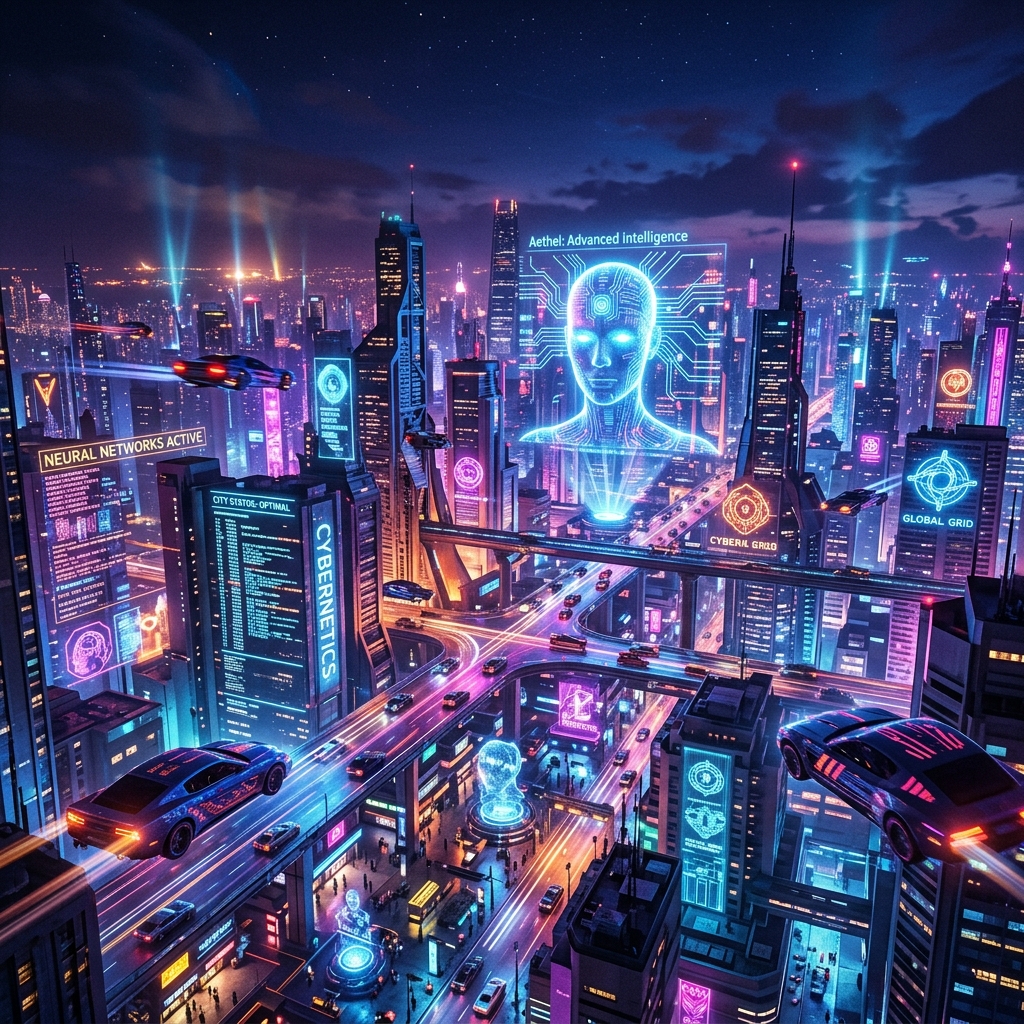
With modern text-to-video tools, directors can act as a one-person studio. These models now have an intuitive understanding of real-world physics, complex lighting dynamics, and cinematic camera movement. You can prompt an AI to generate a "slow tracking shot through a dense, neon-lit cyberpunk market in the rain," and it understands how the camera should move, how the neon lights should reflect off wet pavement, and how the crowds should behave.
The Game-Changing Benefits
The implications for creators are staggering:
- Massive Cost Reduction: Indie filmmakers no longer need a $50,000 budget to shoot a short film. There is zero budget required for locations, lighting rigs, or heavy equipment. The primary investment is simply the compute power required to render the video.
- Infinite Iterations and Pre-visualization: Don't like the camera angle? Think the lighting is too harsh? In traditional filmmaking, doing a reshoot is a logistical nightmare. With AI, a director simply tweaks the text prompt and regenerates the scene in minutes. Furthermore, directors use AI to generate highly detailed animatics and pre-visualizations before shooting on actual sets.
- Accessibility and Storytelling First: By removing the technical and financial barriers, the focus returns entirely to storytelling. Anyone with a compelling story and a strong visual sense can now be a filmmaker, regardless of their background or geographic location.
The Evolution of Control
The biggest leap in 2026 hasn't just been in video quality, but in control. Early models were essentially slot machines—you pulled the lever (entered a prompt) and hoped for the best.
Now, creators have granular control over the output. Through technologies like video-to-video translation, motion tracking, and spatial control nets, a creator can film themselves acting out a scene in their bedroom with a smartphone, and the AI will use that footage to drive the performance of a generated 3D alien on a distant planet, matching the facial expressions and body language perfectly.
Directors can specify exact camera paths, control the pacing of an action sequence, and lock in consistent character designs across multiple generated shots.
Will AI Replace Hollywood?
A common fear is that AI will render human actors, cinematographers, and directors obsolete. While the lower end of the market—such as generic stock footage and basic corporate explainer videos—is certainly being automated, high-end filmmaking is a deeply collaborative, human-driven process.
AI won't replace human actors anytime soon, because audiences crave human connection, genuine emotion, and the cultural context that real people bring to a performance. Instead, AI is serving as the ultimate collaborative tool. It is empowering storytellers to visualize the impossible, allowing indie filmmakers to punch far above their weight class, and pushing the boundaries of visual media into uncharted territories. Hollywood isn't dying; it's just being put into your pocket.