The Rise of AI Vibe Coding: A New Era of Development
 Faizan
The landscape of software development is undergoing a massive, unprecedented paradigm shift. For decades, coding has been a meticulous, detail-oriented process. Engineers spent hours hunting down missing semicolons, debugging complex logic flows, and writing boilerplate code that didn't inherently add value to the core product, but was necessary to make it run.
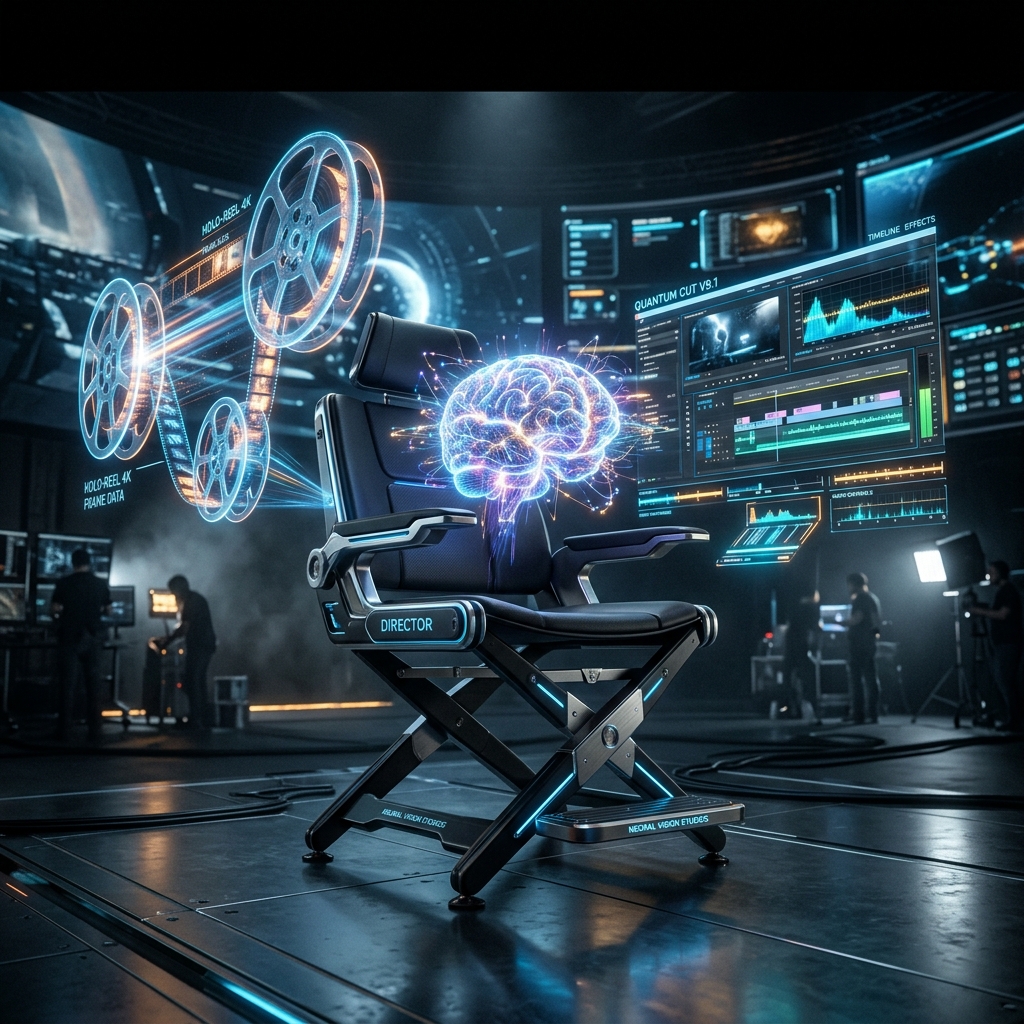
Enter AI Vibe Coding—a methodology that completely flips the traditional script. In this new era, developers act more like creative directors than syntax typists.
Instead of writing every loop, variable declaration, and API endpoint manually, developers now describe the "vibe," the architecture, and the business logic of the feature they want. Advanced Large Language Models (LLMs) and context-aware coding assistants take these high-level instructions and instantly generate the underlying structure, handle unit testing, and even optimize the resulting code for performance.
The Developer as a Director
In this new era, the role of a software engineer is rapidly evolving. The focus has decisively shifted from memorizing syntax to mastering prompt engineering, architectural design, and complex system integration. The technical barrier to entry is lowering, but the creative and logical ceiling is rising.
"We are no longer just writing code. We are orchestrating incredibly powerful AI models to build complex systems at lightning speed. It's less about the 'how' and much more about the 'what' and 'why'." - Faizan
When a developer sits down to "vibe code," they aren't opening a blank file and writing import React from 'react'. Instead, they might open a chat interface integrated directly into their IDE and say: "I need a React component for a user dashboard. It should fetch data from the /api/users endpoint using React Query, display it in a Tailwind-styled grid layout with a dark mode toggle, and include a search bar that filters the results in real-time."
Within seconds, a fully functional, styled, and optimized component is generated. The developer then reviews it, tweaks the "vibe" by asking for it to look more modern or use a specific color palette, and moves on to the next major feature.
Tangible Benefits of Vibe Coding
The advantages of this new workflow are impossible to ignore, and they are driving rapid adoption across both scrappy startups and massive enterprise corporations.
1. Unprecedented Speed and Agility
Prototypes that traditionally took weeks to wireframe, build, and test are now being deployed in hours. Startups can iterate on their products incredibly fast, responding to user feedback and pivoting their business models without worrying about massive technical debt or wasted engineering hours.
2. Drastic Reduction in Burnout
Developer burnout has historically been one of the biggest challenges in the tech industry. Staring at screens for 12 hours a day trying to find a memory leak is exhausting. Vibe coding automates the mundane, repetitive tasks, leaving the fun, creative, and challenging parts of software design to the humans. Developers are reporting higher job satisfaction because they are spending their time solving actual user problems rather than fighting with Webpack configurations.
3. Democratization and Accessibility
The barrier to entry for software creation has been drastically lowered. You no longer need a four-year Computer Science degree to build a functional web application. Product managers, designers, and entrepreneurs can now leverage AI assistants to bring their ideas to life. While deep technical knowledge is still required to maintain and scale massive enterprise systems, the initial act of creation is now available to anyone with a good idea and the ability to articulate it clearly.
Challenges and the Road Ahead
However, this transition is not without its hurdles. One of the biggest challenges of vibe coding is the "black box" effect. When an AI generates thousands of lines of code in seconds, it can be difficult for human engineers to fully comprehend every nuance of what was written. This can lead to subtle security vulnerabilities or performance bottlenecks if the generated code is not properly reviewed and tested.
Furthermore, debugging AI-generated code requires a different skill set. Developers must learn how to trace logic through code they didn't write, using the AI assistant itself to help identify and fix the issues it created.
Despite these challenges, the trajectory is clear. As we move further into 2026, AI vibe coding is not just a passing trend or a novelty tool; it is becoming the new baseline standard for software development. Those who embrace it will build the future at a pace previously thought impossible, while those who resist will find themselves struggling to keep up. The code of tomorrow isn't typed; it's directed.