Mastering AI Image Generation in 2026
 Faizan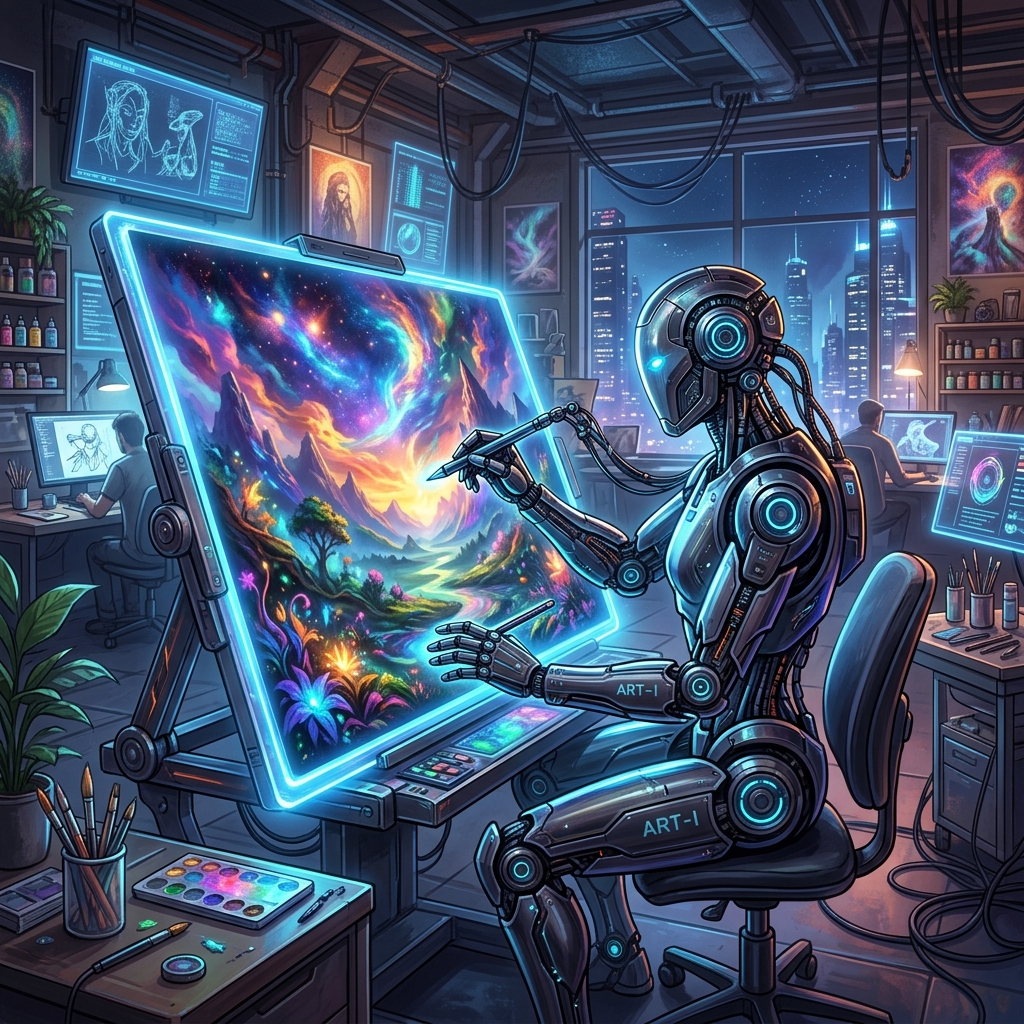
Artificial Intelligence has completely revolutionized the creative industry, and nowhere is this more apparent than in the realm of visual arts. The latest image generation models have moved far beyond the uncanny valley and the surreal, glitchy artifacts that defined the early days of generative AI. Today, these models are producing stunningly photorealistic, incredibly stylistic, and emotionally resonant digital art in mere seconds.
What was once a novelty used to create funny mashups has evolved into a foundational tool for graphic designers, advertising agencies, concept artists, and independent creators worldwide.
The Art of the Prompt
While the AI models—powered by massive neural networks and diffusion architectures—do the heavy lifting of rendering pixels, the human element remains absolutely crucial. The machine has no imagination; it only has data and patterns. It requires a human director to give it purpose.
This has given rise to Prompt Engineering, which has rapidly evolved from a technical necessity into a highly respected art form in its own right.
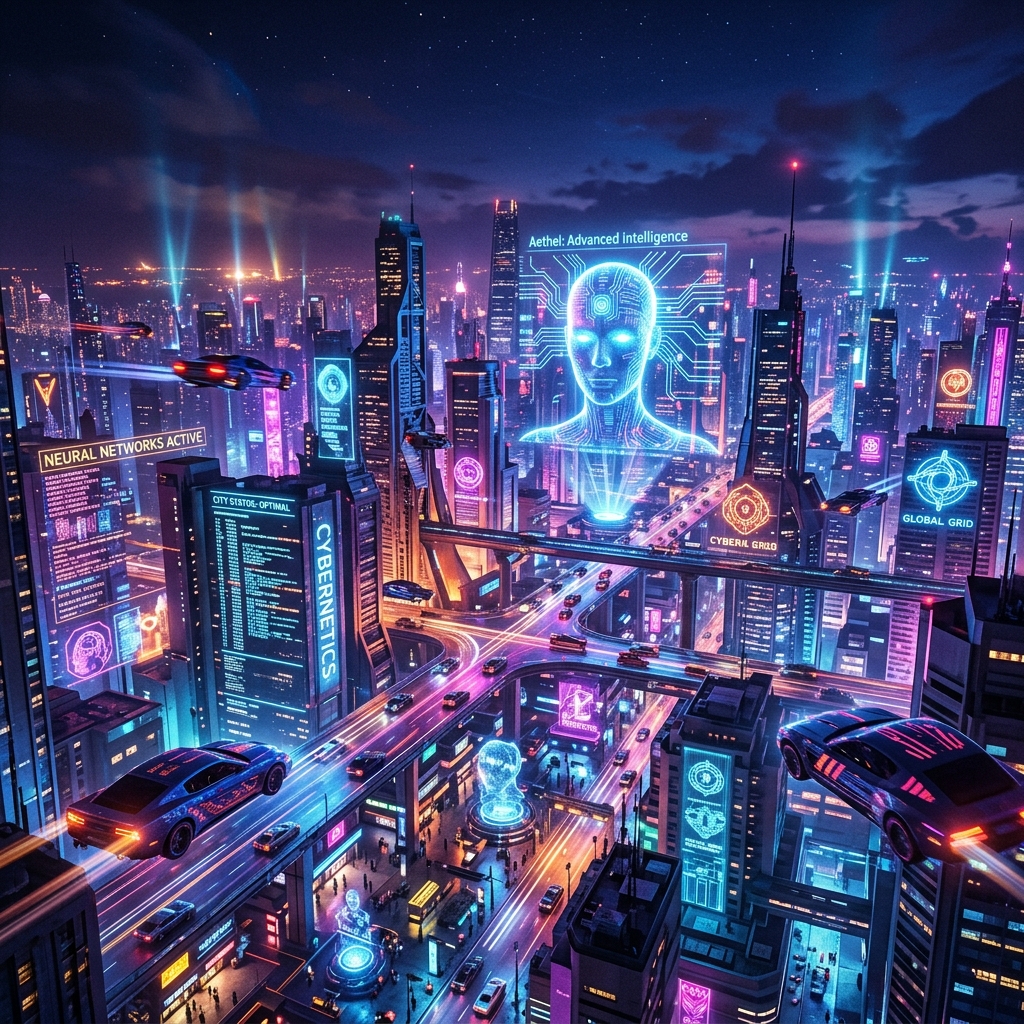
Prompt artists are no longer just typing "a cool futuristic city." They are learning to communicate with models using precise, technical terminology. They dictate lighting setups (e.g., volumetric lighting, cinematic rim lighting, golden hour), focal lengths (e.g., shot on 35mm lens, f/1.8 aperture), specific aesthetic styles (e.g., cyberpunk, art deco, surrealism), and medium types (e.g., oil on canvas, digital matte painting, 3D render using Unreal Engine 5). By chaining these parameters together, artists can craft exactly what they envision in their minds with breathtaking accuracy.
What's New in 2026?
The technology is advancing at a breakneck pace. Here are some of the most significant breakthroughs that have transformed AI image generation this year:
- Perfect Text Generation: For years, AI models struggled to generate legible text, often producing alien-like squiggles that ruined the illusion of a realistic image. New architectures have solved this problem entirely. Models can now seamlessly integrate perfectly spelled, styled, and perspective-correct text into images. This has massive implications for advertising, allowing marketers to generate complete, ready-to-publish ad creatives—text and all—in one shot.
- Consistent Character and Asset Persistence: Creating comic books, graphic novels, or consistent brand assets was previously nearly impossible because the AI would slightly alter the character's face or clothing with every new prompt. Now, through advanced reference locking and latent space manipulation, creators can generate a character once and then place that exact same character into hundreds of different scenes, poses, and lighting conditions.
- Unhinged Creativity: While photorealism is impressive, the true power of AI lies in its ability to visualize the impossible. Artists are using models to create impossible architecture, blend biological and mechanical forms, and visualize abstract concepts like "the feeling of nostalgia in a digital age."
The Impact on Traditional Artists
The rise of AI image generation has not been without controversy. Many traditional artists have expressed concerns about copyright, data scraping, and the devaluation of human-made art. These are valid concerns that the industry is actively grappling with, leading to new models that are trained exclusively on licensed or public domain artwork.
However, many professional artists have chosen to embrace AI as a powerful new brush in their toolkit. Concept artists use AI to rapidly generate dozens of iterations of a character design before painting the final version manually. Photographers use generative fill to seamlessly expand backgrounds or remove unwanted elements from their shots.
Looking Forward
The creative potential is limitless when human imagination collaborates with artificial intelligence. We are moving towards a future where the ability to create beautiful imagery is no longer bottlenecked by technical drawing skills, but rather by the limits of one's imagination and their ability to articulate it. As these tools become even more intuitive and integrated into our daily workflows, visual communication will become richer, more dynamic, and more accessible to everyone.